The Himalayan Trifecta: Why These Peaks are the Ultimate Playground
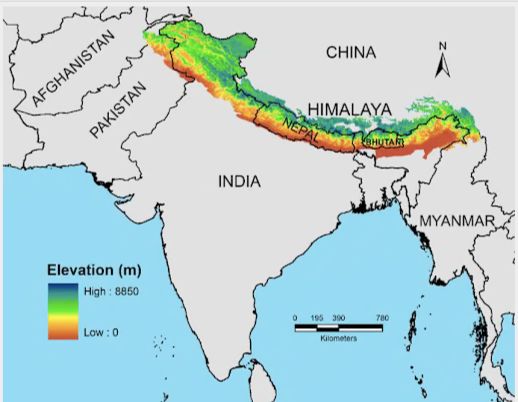
The Himalayas aren't just a mountain range; they are a physical manifestation of Earth’s raw power. Stretching across five countries, this "Abode of Snow" offers an intensity of experience that you simply cannot find anywhere else. For those looking to swap the mundane for the magnificent, the combination of High-Altitude Trekking and Glacial River Rafting creates the ultimate adventure loop.
---
1. Trekking: The Rhythmic Climb
Trekking in the Himalayas is a lesson in patience and persistence. Unlike shorter hills, these mountains require you to find a "mountain pace"—a slow, steady rhythm that respects the thinning oxygen levels.
* The Landscape: You’ll walk through rhododendron forests that feel like enchanted kingdoms, eventually emerging into the stark, lunar beauty of the high-altitude deserts like Spiti or Ladakh.
* The Culture: The trails are more than paths; they are ancient trade routes. Staying in local teahouses or monasteries allows you to experience the legendary hospitality of the Sherpa, Bhutia, and Gaddi communities.
* The Challenge: Every step above 4,000 meters is earned. The reward? Seeing the first light of dawn hit the "Golden Peaks" of the Annapurna or Everest massifs.
2. White-Water Rafting: The Glacial Rush
If trekking is about the slow burn, rafting in the Himalayas is about the sudden explosion of energy. The rivers here—the Ganges, Indus, Teesta, and Zanskar—are fed directly by melting glaciers, making them some of the most powerful waterways on the planet.
* The Rapids:Himalayan rivers are famous for their high-volume "pool-and-drop" rapids. One moment you are drifting through a silent, deep-cut canyon; the next, you are navigating Class IV+ rapids with names like "The Wall" or "Golf Course."
* The Scenery:From the riverbed, the mountains look even more imposing. You see the geography from the bottom up, passing through limestone gorges that have been carved over millions of years.
* The Adrenaline: There is nothing quite like the shock of 5°C glacial water hitting your face while you paddle in perfect sync with your team.
---
3. Top Himalayan Circuits for Both Worlds
To get the full experience, many adventurers choose regions where they can trek for a week and end with a multi-day river expedition.
| Region | Iconic Trek | River Adventure |
| :--- | :--- | :--- |
| Rishikesh / Garhwal| Valley of Flowers or Kuari Pass | The mighty Ganges (Class III-IV) |
| Ladakh (The High Desert)| Markha Valley Trek | Zanskar River (The "Grand Canyon" of Asia) |
| Nepal (Central)| Annapurna Base Camp | Kali Gandaki or Upper Sun Kosi |
| Sikkim (East)| Goechala Trek | Teesta River (Class IV rapids) |
---
4. The "Himalayan High" Mindset
Living out of a backpack and a dry bag changes your perspective. In the Himalayas, you realize that nature doesn't care about your deadlines or your ego.
>>Sustainable Travel Note: The Himalayan ecosystem is as fragile as it is massive. As these regions face increasing pressure from tourism, it is vital to follow "Leave No Trace" principles. Carry out your plastic, respect local customs, and use eco-friendly trekking operators.
The Verdict
The Himalayas offer a rare opportunity to find your limits and then move past them. Whether you are standing on a silent ridge at 5,000 meters or screaming through a rapid on the Ganges, you’ll leave with the same realization: the mountains don't just change your view; they change you.
If you had to choose one for your next trip, would you rather have the quiet solitude of a high-altitude pass or the chaotic energy of a glacial river?