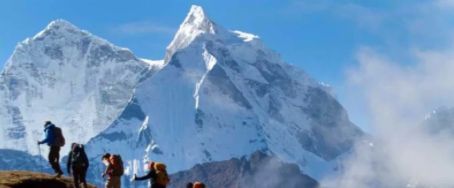
Touching the Clouds: A Guide to Trekking the Indrahar Pass
Standing at a staggering 4,324 meters, Indrahar Pass is far more than a simple mountain crossing; it is a high-altitude bridge connecting two distinct universes. This journey transports you from the lively, bohemian streets of McLeod Ganj in the Kangra Valley, over the serrated spine of the Dhauladhar Range, and down into the serene, timeless wilderness of Chamba’s Ravi River valley.
For the veteran hiker seeking a new test or the bold enthusiast ready for a vertical grind, Indrahar provides a raw, unfiltered encounter with the heart of the Himalayas.
Trek Profile
Location: Dhauladhar Range, Himachal Pradesh
Basecamp: Dharamkot / McLeod Ganj
Length: 4 to 5 Days
Intensity: Moderate to Strenuous
Ideal Window: May–June (before the rains) and September–October (before the deep snow)
The Path Upward: Itinerary Highlights
1. The Climb to Triund
The expedition kicks off with a consistent ascent through dense oak and rhododendron groves. Triund serves as the region’s premier lookout point, providing a spectacular, close-up view of the Dhauladhar massif. For most, this is the destination; for the Indrahar trekker, it’s merely the beginning.
2. Laka Glacier & the Lahesh Rock Shelter
Beyond Triund, the landscape sheds its greenery for granite. You will traverse the Laka Glacier, where snow often lingers through the summer months. Most trekkers spend the night at Lahesh Cave. This ancient rock overhang has sheltered Gaddi shepherds for generations; sleeping beneath its massive stone ceiling offers a primitive, immersive connection to the earth.
3. The Vertical Scramble
This is the "make or break" day. The path transforms into a steep, lung-busting scramble over loose scree and massive boulders. Upon reaching the summit of Indrahar Pass, the struggle is forgotten. You are greeted by a 360-degree theater featuring the Pir Panjal Range and the distant, holy peak of Mani Mahesh Kailash.
What Makes This Trek Unique?
Living History: You are walking the "Shepherds’ Trail." This route is a vital artery for the Gaddi people, who migrate across the pass with thousands of sheep.
The Great Divide: The geographical contrast is jarring. To the south lies the humid, emerald Kangra Valley; to the north, the landscape shifts into the stark, high-altitude desert beauty typical of the Chamba region.
Mountain Spirituality: Small stone shrines to Lord Shiva crown the pass. It is customary to pause here, offering a small token of gratitude for the safe passage through the "Abode of the Gods."
Preparation & Survival Essentials
Note from the Trail: Never trust a clear sky. In the Dhauladhars, a sunny morning can turn into a whiteout blizzard in minutes. Always carry a waterproof layer and consider hiring a local guide who knows the moods of the mountain.
RequirementPriorityReasoningTechnical FootwearCriticalThe boulder fields require stiff soles and high ankle support to prevent injury.Layering SystemHighTemperatures fluctuate wildly; expect freezing winds at the summit even in mid-summer.Stamina TrainingHighThe final ascent involves a sharp vertical gain that will test your cardiovascular limits.Hydration PlanCriticalThin air accelerates dehydration, which is the fastest way to trigger Altitude Sickness (AMS).
Closing Thoughts
Conquering the Indrahar Pass is less about checking a box and more about the "grit" found in the silence of the heights. It is about the humility you feel when the clouds are at your waist and the world feels infinitely vast. If you seek a classic Himalayan adventure that lingers in your memory long after your boots are cleaned, this is it.