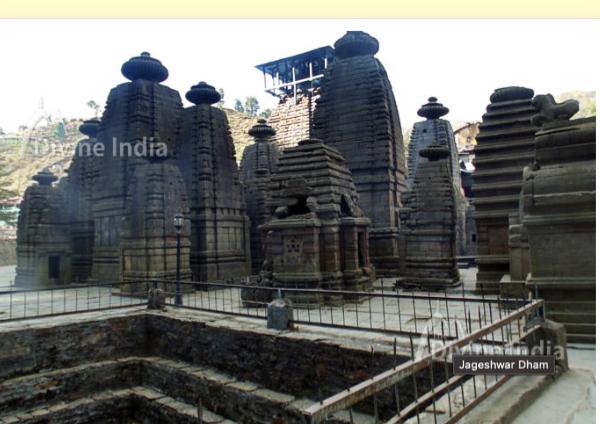
ageshwar Dham: The Ancient Abode of the Nagesh Jyotirlinga
Deep within the Jataganga river valley, surrounded by a dense forest of towering deodar trees, lies Jageshwar Dham. Located in the Almora district of Uttarakhand, this cluster of over 124 stone temples is not just an archaeological marvel—it is a powerful epicenter of spiritual energy and a cornerstone of Shaivism.
The Spiritual Significance
Jageshwar is believed to be the site of the Nagesh Jyotirlinga, the eighth among the twelve Jyotirlingas dedicated to Lord Shiva. According to local lore and the Skanda Purana, this is where Lord Shiva and the Saptarishis (the seven sages) performed penance.
The atmosphere here is heavy with mysticism. The constant chant of "Om Namah Shivay" echoing against the stone walls, combined with the natural "Jata" (hair-like) appearance of the deodar branches, creates a sense that the landscape itself is an extension of Shiva.
Architectural Mysticism
The temples date back to the 7th and 12th centuries, primarily built by the Katyuri and Chand dynasties. The architecture is a masterclass in the Nagara style:
The Mahamrityunjaya Temple: The oldest and largest in the complex. It is unique because it honors Shiva in his form as the conqueror of death. Pilgrims visit specifically to chant the Mahamrityunjaya Mantra for healing and longevity.
Jageshwar Mahadev: The main temple where the Swayambhu (self-manifested) Linga is enshrined, divided into two parts symbolizing Shiva and Shakti.
The Dandeshwar Temple: Located slightly upstream, this temple houses a massive natural rock Linga and offers a more secluded, meditative environment.
Experience the Mystical Energy
For those seeking a deeper connection beyond sightseeing, Jageshwar offers several layers of exploration:
Meditation in the Deodars: The high altitude and ancient trees create a natural "silence" that is perfect for dhyana (meditation).
The Jageshwar Monsoon Festival: Held in the Hindu month of Shravan (July–August), the dham transforms into a vibrant hub of devotion.
Vridh Jageshwar: A short trek uphill leads to an older shrine. It offers a panoramic view of the Himalayan peaks, including Nanda Devi and Trishul, which are themselves considered sacred dwellings of the gods.
Travel Essentials
Best Time to Visit: April to June for pleasant weather; September to November for clear Himalayan views.
How to Reach: Jageshwar is approximately 35 km from Almora. The nearest railhead is Kathgodam, and the closest airport is Pantnagar.
A Pilgrim’s Tip: Ensure you spend a few moments by the Brahm Kund, the holy tank where devotees take a dip before entering the main sanctum.