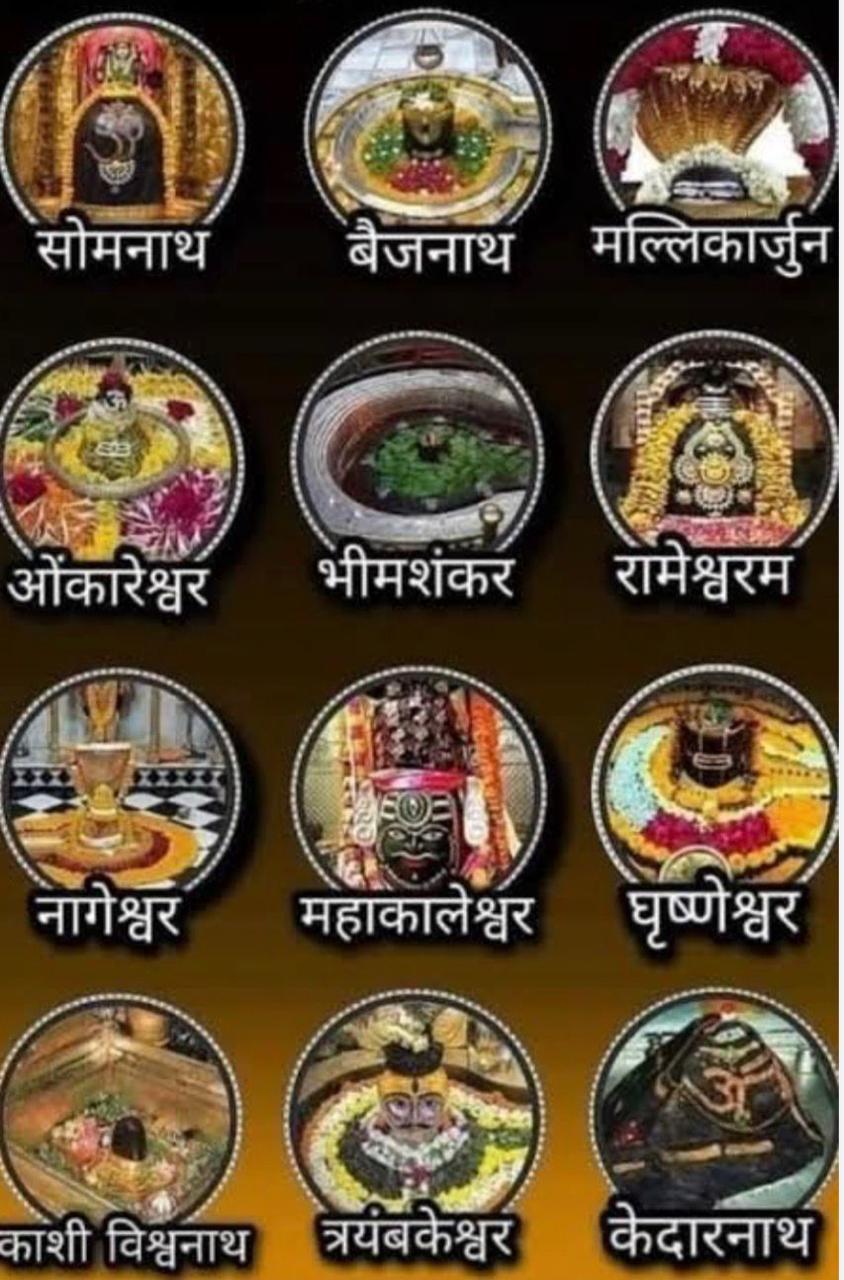
Structuring the 12 Jyotirlingas by State is one of the cleanest ways to organise travel blogs or planning itineraries, as it naturally groups the temples into regional travel clusters.
Here is a comprehensive, state-by-state breakdown optimised for a regional content strategy.
The Western Cluster: Maharashtra & Gujarat
This region holds the highest density of shrines, making it the most popular choice for dedicated, single-region pilgrimage road trips.
1. Maharashtra (3 Shrines)
Maharashtra houses three distinct shrines, each nestled in unique geographical settings across the Sahyadri range and volcanic plateaus.
Bhimashankar (Pune District) is hidden deep inside a dense forest reserve and biodiversity hotspot. It marks the origin of the Bhima River.
Trimbakeshwar (Nashik District): Located at the foothills of Brahmagiri mountain, where the Godavari River originates. It is unique because the linga features three distinct faces representing Brahma, Vishnu, and Shiva.
Grishneshwar (Chhatrapati Sambhajinagar / Aurangabad): Built entirely out of red volcanic stone, this ancient structure sits less than a kilometre away from the UNESCO World Heritage Ellora Caves.
2. Gujarat (2 Shrines)
Gujarat's shrines are tied to major coastal and historic destinations.
Somnath (Veraval): Standing directly on the edge of the Arabian Sea, it is traditionally documented as the First Jyotirlinga. Its grand stone architecture stands as an iconic symbol of resilience.
Nageshwar (Dwarka): Located near the legendary ancient city of Dwarka, this temple features a famous, massive 82-foot sitting statue of Lord Shiva looking out over the landscape.
The Central Cluster: Madhya Pradesh
Madhya Pradesh offers a highly popular travel loop, as both of its shrines can easily be covered within a 3 to 4-day trip from Indore or Ujjain.
3. Madhya Pradesh (2 Shrines)
Mahakaleshwar (Ujjain): Located on the banks of the Shipra River. It is unique as the only south-facing (Dakshinamukhi) Jyotirlinga, renowned worldwide for its intense pre-dawn Bhasma Aarti performed with sacred ash.
Omkareshwar (Khandwa District): Situated on Mandhata Island in the Narmada River. The island itself is naturally contoured into the shape of the sacred "Om" (\text{ॐ}) syllable.
The Northern & Eastern Shrines
These destinations are spread across vast distances, each serving as the ultimate spiritual anchor for its respective state.
4. Uttarakhand (1 Shrine)
Kedarnath (Rudraprayag District): The most remote and physically demanding shrine, nestled at an altitude of 3,583\text{ meters} in the Garhwal Himalayas. It is accessible only via a steep trek or helicopter and remains closed during winter due to heavy snow.
5. Uttar Pradesh (1 Shrine)
Kashi Vishwanath (Varanasi): Located in the heart of Varanasi along the ghats of the Ganga River. It is historically considered the most sacred point of liberation (Moksha) within the entire pilgrimage.
6. Jharkhand (1 Shrine)
Baidyanath Dham (Deoghar): Also lovingly known as Baba Dham. It features a large complex of 22 temples and is famous for its healing energy and the massive footfall during the annual Shravan Mela.
The Southern Shrines
The southern loop connects two deep cultural landscapes, stretching from the dense hills of Andhra Pradesh down to India’s southern tip.
7. Andhra Pradesh (1 Shrine)
Mallikarjuna (Srisailam): Perched atop the flat, forested Nallamala Hills overlooking the Krishna River. It holds immense spiritual weight as a rare point where a Jyotirlinga and a Maha Shakti Peeth exist in the exact same temple complex.
8. Tamil Nadu (1 Shrine)
Ramanathaswamy (Rameswaram): Located on Rameswaram Island at the southern tip of India. It is directly linked to the Ramayana epic and features the longest and most intricately carved temple corridors in India.